

Understanding family restoration and the systems that separate families
Many Aboriginal children do not return home to their families after being removed by child protection systems. Generations of children are growing up disconnected from their family, culture and rightful identity.
Bring Them Home, Keep Them Home aims to support the liberation of Aboriginal children and families from child protection systems. The research builds evidence about restoration and the changes needed to support Aboriginal children to come home and remain connected to their families, communities, culture and Country.
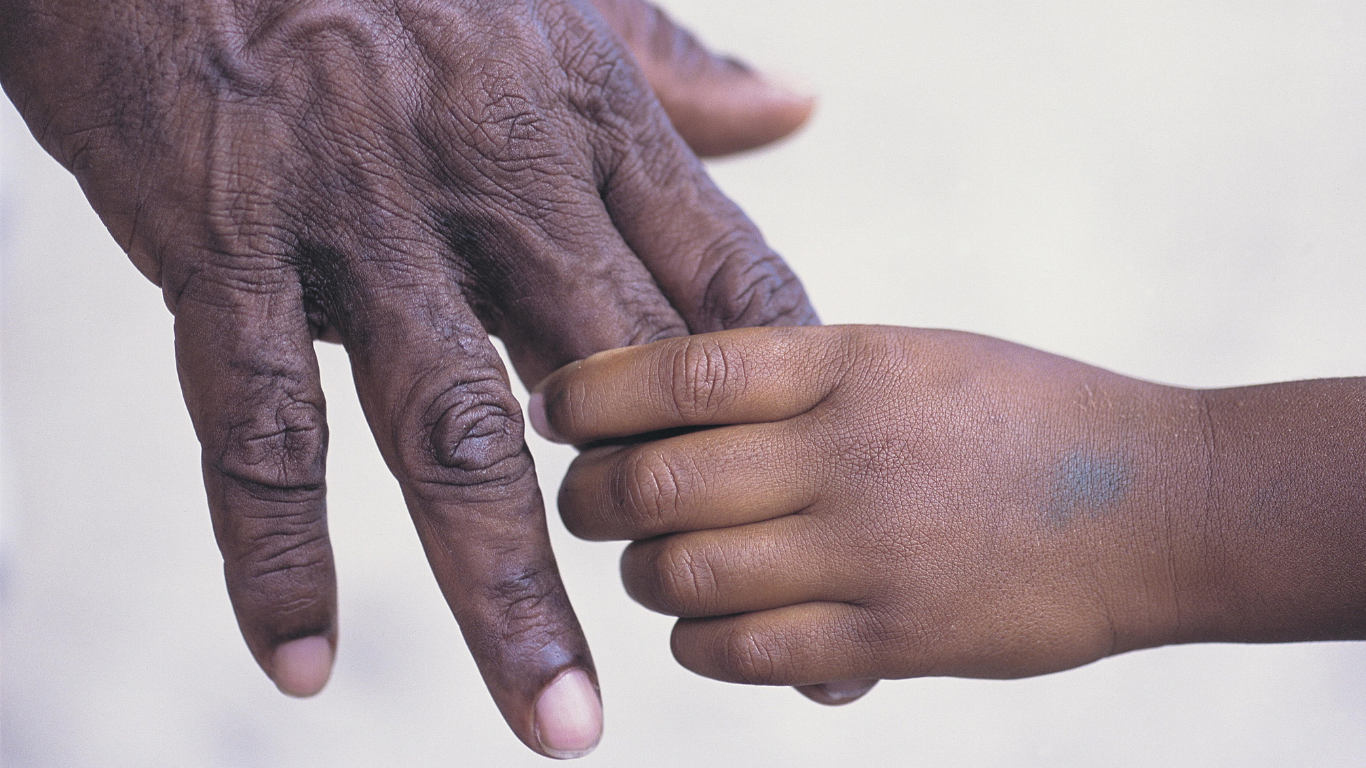
Restoring and sustaining Aboriginal families
The research investigates the rates, outcomes and lived experiences of restoration for Aboriginal children in out-of-home care. It also addresses an evidence gap that has shaped policy for decades, without reflecting the voices of the families most affected.
Led by Wiradjuri woman and Associate Professor BJ Newton at the UNSW Social Policy Research Centre, the research began as a four-year Australian Research Council Discovery Indigenous project and has grown into a longer-term program of work.
The research is Aboriginal-led and carried out in partnership with Aboriginal communities and organisations. It works alongside Aboriginal Community Controlled Organisations across NSW and centres the experiences, knowledge and priorities of Aboriginal families and communities.
These partnerships shape what the research will focus on, what the findings mean, and how the findings are used. The research informs practitioner training, state government advisory work, and community resources such as Know Your Rights.
Why this research is necessary
Restoration is the preferred outcome.
Restoration is the preferred outcome for Aboriginal children who have been removed from their families, but few Aboriginal children are restored from out-of-home care. Little is known about how Aboriginal children, parents and families experience restoration, or about what helps children return home and stay connected to family and culture.
The barriers go beyond families.
The barriers to restoration are often treated as problems with parents or families. Phase 1 of the research showed that many of these barriers sit within child protection systems and the broader social systems that shape families’ lives. Instead of receiving the support they need, families can become subject to surveillance and intervention.
Research that supports change.
The research examines these structural and system-level barriers, as well as the ways Aboriginal families and communities resist, navigate and challenge the systems that affect their lives. It contributes to truth-telling for families silenced by the system, Aboriginal community-determined initiatives and individual and system-level advocacy.
Research into Action
Sharing the research, building knowledge and contributing to national conversations on Aboriginal family restoration and child protection.
Voices from the Research
A note about the words we use
On this website, we use restoration and reunification to describe the process of Aboriginal children returning home to their families from out-of-home care.
Restoration
The legal term used in New South Wales.
Reunification
More commonly used across Australia and internationally.
We use both terms because they are used in different settings, but they describe the same process.
Research Phases
The research is delivered in two phases, building evidence, testing ideas and translating what we learn into practical change that supports more Aboriginal children to return home and stay home.
-
Funded through an Australian Research Council (ARC) Discovery Indigenous grant, Phase 1 advanced knowledge about child restoration by investigating the lived experiences, pathways and outcomes of Aboriginal parents whose children had been restored from out-of-home care.
Phase 1 found that the barriers to restoration largely sit within child protection systems and the broader social systems that shape families’ lives. Families can face limited support, unclear and changing expectations, and a lack of Aboriginal authority in decision-making. These barriers can make it difficult for children to return home.
The research showed that Aboriginal-led evidence and Aboriginal authority are key to achieving restoration and supporting the liberation of Aboriginal families from child protection systems. It also highlighted the need to build knowledge in two areas where evidence and clear definitions remain critically lacking: systems abuse and Aboriginal resistance in child protection contexts.
-
Funded through an NHMRC Investigator Grant, Phase 2 builds on the findings from Phase 1.
Phase 2 examines how health, human service and child protection systems work together to affect Aboriginal children and families. It focuses on the harms caused when systems do not provide the support families need, or when they respond in ways that separate children from their families. The research also examines the ways Aboriginal families and communities resist, navigate and challenge these harms.